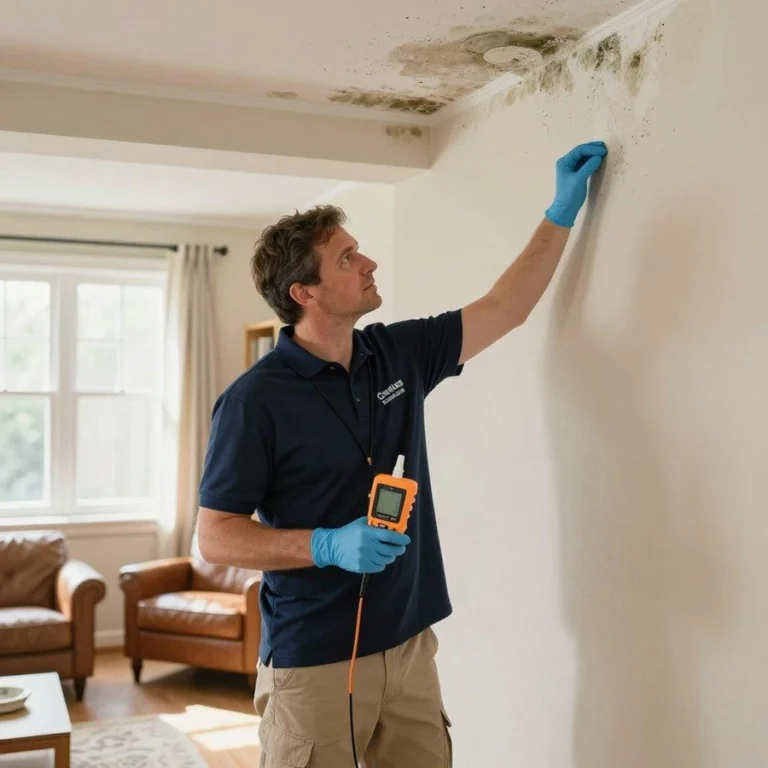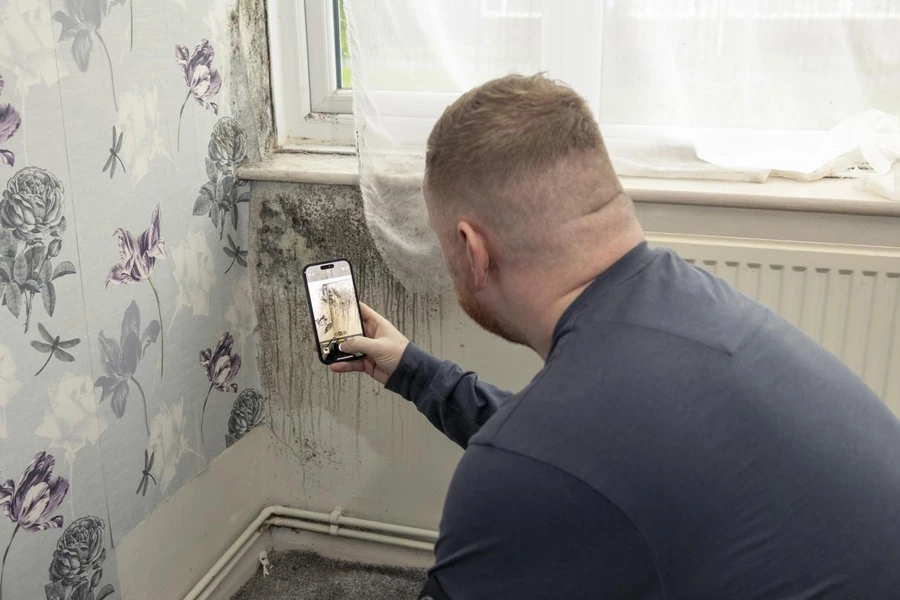
Mold in Your NYC Apartment: What Tenants Should Know First
Finding mold in a rented apartment brings up a lot of questions at once. Here’s a clear starting point for what to do, in what order.
Spotting mold in an apartment you don’t own can feel more complicated than it needs to be. You’re not necessarily the one who has to fix it, but you do need to handle the first few steps correctly so the problem actually gets addressed instead of dragging on.
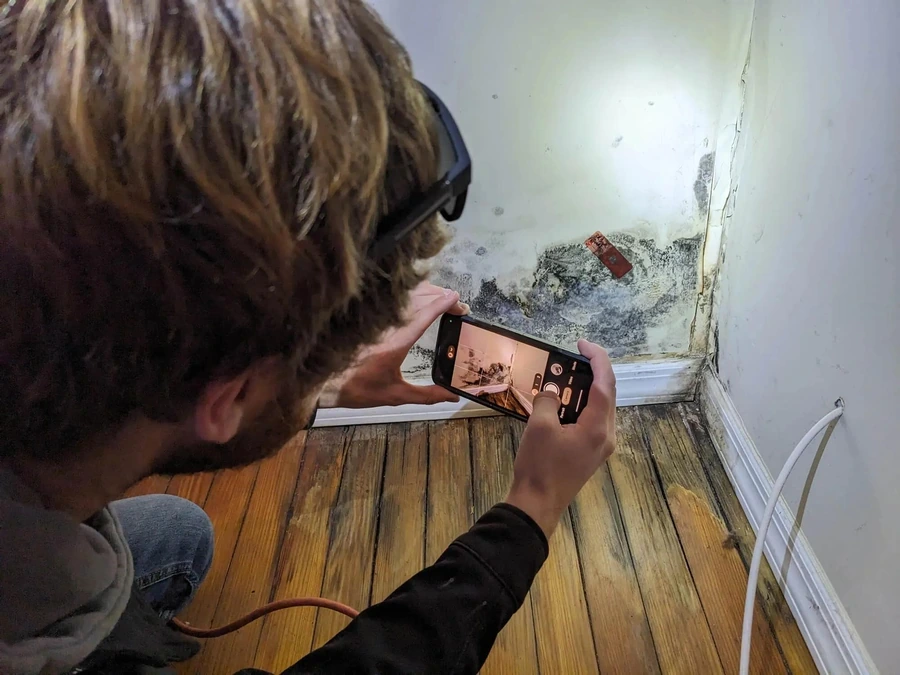
Start With Documentation
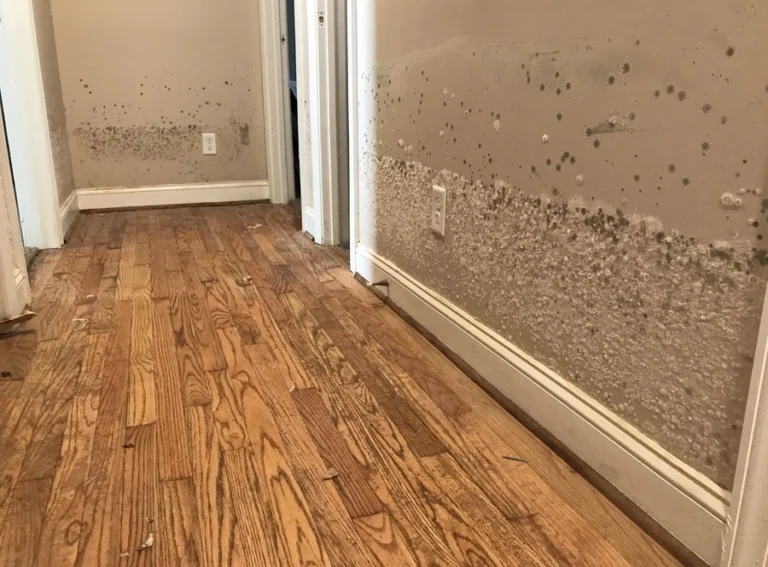
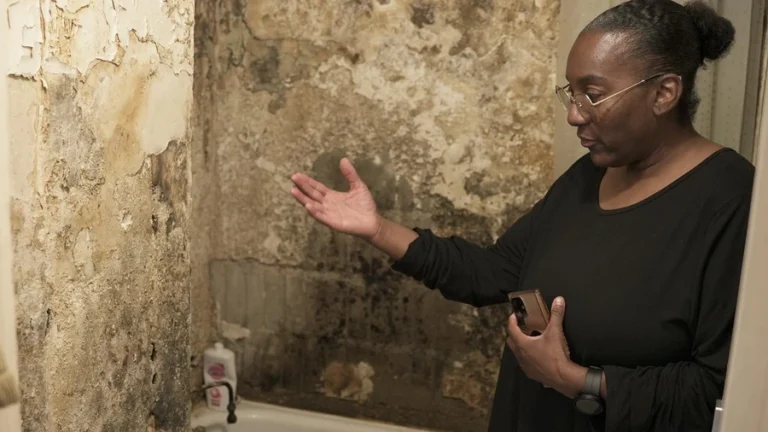
Before anything else, take clear photos or video of the mold, including a sense of scale and the exact location in the unit. Note when you first noticed it and anything that seems related, like a recent leak, a musty smell, or a spot that’s always damp. This record matters later, whether the issue gets resolved quickly or takes longer than it should.
What to Do, in Order
-
Notify your landlord or management company in writing
Email or text creates a timestamped record, which matters more than a phone call if the issue takes a while to resolve.
-
Keep a copy of everything you send and receive
Save the thread somewhere outside the app itself, since access to old messages isn’t always guaranteed.
-
Ask about next steps and a rough timeline
A landlord who intends to address it will usually be able to give you some sense of when.
-
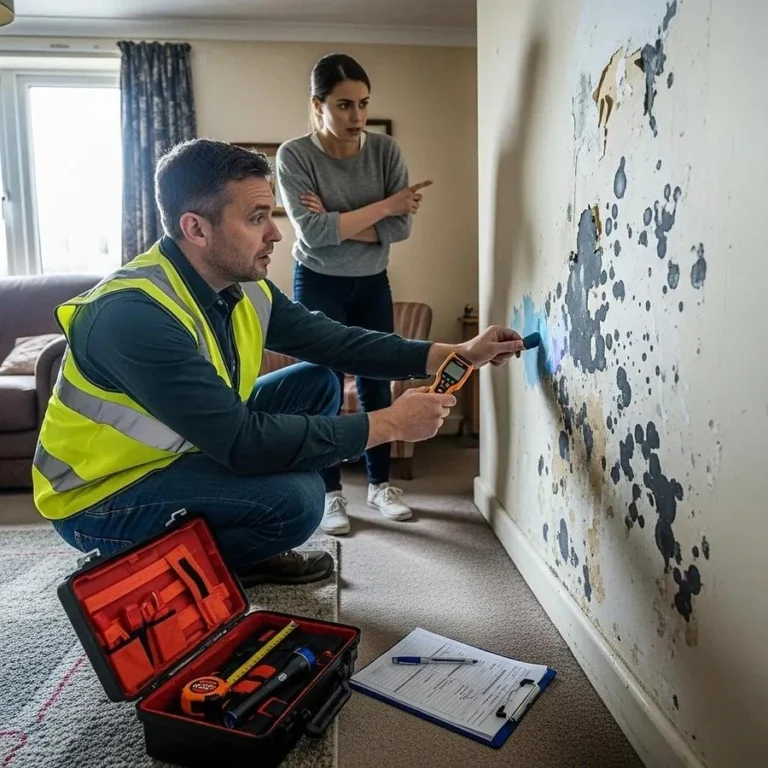
Consider a mold inspection or air quality test if nothing happens
Independent documentation strengthens your position if the issue needs to be escalated later.
When It’s Worth Bringing In a Professional Directly
Not every situation needs to wait on the landlord’s timeline. If the mold is spreading quickly, covers a large area, or you’re dealing with ongoing symptoms that seem tied to the apartment, it’s reasonable to have the space independently inspected or tested sooner rather than later, even before remediation itself is arranged.
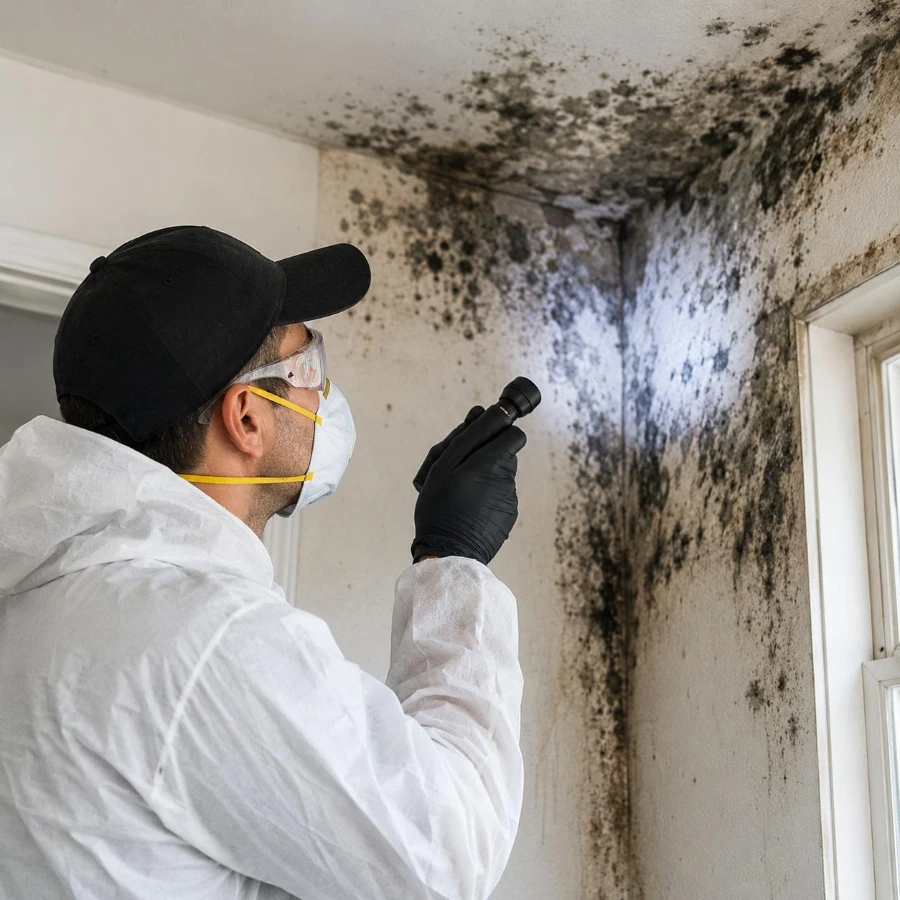
A quick note on urgency. A small, contained spot and a large, spreading patch are not the same situation. If a leak or water event caused the mold, addressing it quickly matters more than waiting for a scheduled response, since moisture problems tend to get worse the longer they sit.
If you’re not sure whether what you’re looking at needs a full inspection or can wait, our mold inspection service page covers what that first visit typically involves.