
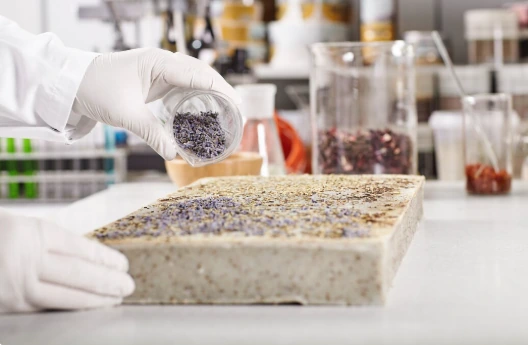
Licensed Mold Remediation NYC. Inspected, tested, done right.
Musty smells or mold that keeps coming back? Mold Remediation NYC sends licensed, insured technicians to inspect, test, and remediate mold across Manhattan, Brooklyn, Queens, the Bronx, Staten Island, and New Rochelle.
Request a Free Inspection Quote
Get a straight answer before we schedule a visit.
No obligation — we’ll call to confirm your appointment.
Why Mold Is a Year-Round Risk in NYC’s Older Buildings
Hurricane Ida caused rapid flooding in NYC basement apartments in 2021. Of the 14 Ida-related injury deaths reviewed in NYC, 10 involved drowning in unregulated basement apartments.
Prewar & Basement Housing Stock
Prewar buildings, brownstones, and basement apartments across the five boroughs trap moisture in ways newer construction doesn’t, and humid summers make it worse.
NYC’s Mold Law
Local Law 55 requires owners of buildings with three or more units to inspect for mold annually and correct it on a set timeline. Buildings with 10 or more units must use a New York State-licensed mold assessor and remediator once an area exceeds 10 sq ft.
High-Density, Shared-Wall Living
In co-ops, condos, and multi-family buildings, moisture in one unit can travel through shared walls, floors, and plumbing chases into the next, which is why building-wide vigilance matters, not just your own apartment.
Humid Summers & Poor Ventilation
NYC’s humid summer months combined with poorly ventilated older units create close to ideal conditions for mold growth once any moisture source is present.
Mold Remediation Services for NYC Homes & Buildings
Whether you need same-day mold cleanup services, full mold abatement services, or ongoing mold mitigation services for a multi-unit building, our licensed mold remediation company handles every job size across the five boroughs and New Rochelle.
Mold Remediation
Full-service remediation from first inspection to final walkthrough, sized to your unit or building.
Learn more →Mold Inspection
We check the whole unit, not just the spot you noticed, and find the moisture source.
Learn more →Mold Testing
Lab-analyzed air and surface samples, giving you documented results for a landlord dispute or insurance claim.
Learn more →Black Mold Removal
Safe removal of black mold and other serious mold types with sealed-off HEPA containment.
Learn more →Mycotoxin Testing
Testing for mycotoxins that can affect indoor air quality even after visible mold is removed.
Learn more →Indoor Air Quality Testing
We test the air itself to catch mold and moisture problems before they turn into a bigger job.
Learn more →Water Damage Restoration
We dry, restore, and handle odor removal for the affected area properly so mold doesn’t get the chance to start.
Learn more →Commercial Mold Remediation
Offices, co-op and condo boards, and property managers across the metro, with board-ready documentation.
Learn more →Attic Mold Removal
We fix the ventilation or moisture source above the living space, not just the mold you can see.
Learn more →Basement Mold Remediation
Basement units see more ongoing moisture than almost any other part of an NYC building.
Learn more →Crawl Space Mold Removal
We remove the mold and fix the ventilation or moisture issue causing it.
Learn more →Not Sure Which Service You Actually Need?
Tell us what you’re seeing and where, and we’ll tell you what it needs before we quote a price.
What is mold abatement?
Mold abatement is another term for the hands-on work of removing mold and correcting the moisture source causing it, the same core process most people mean by “mold remediation” or “mold cleanup.” Whatever term you search, the actual job is the same: inspect, contain, remove, and fix the cause.
What Actually Happens During Professional Mold Remediation
Contact & Initial Conversation
You tell us what you’re seeing or smelling and where. We book your inspection around your schedule.
Inspection & Assessment
A hands-on look at the affected area to find the likely moisture source, not just the mold.
Containment & Removal
We seal off the area, remove damaged drywall, carpet, or other materials that can’t be saved, apply an EPA-guided antimicrobial treatment, and clean with HEPA filtration.
Drying, Verification & Prevention
We dry the structure with industrial dehumidifiers and verify moisture levels, then explain what caused it and how to keep mold prevention part of your routine going forward.
Does mold always come back after remediation?
No, not if the moisture source that caused it gets fixed. When mold comes back, it usually means the real cause was never addressed, not just the mold you could see.
Honest, No-Pressure Mold Remediation
We tell you plainly what we find and what it means. If a problem is small, we’ll say so. If it’s serious, you’ll get real documentation your landlord, board, or insurer can actually use, not pressure tactics.
Licensed & Certified Mold Remediation Standards
Our technicians are trained mold remediation experts, licensed and insured for both mold abatement and full-scale remediation work across NYC and the surrounding metro.
NY State Mold License (Article 32)
Assessment and remediation work follows New York Labor Law Article 32, licensed through the NY State Department of Labor.
IICRC S520 Standard
Our technicians follow the ANSI/IICRC S520 standard for doing the job safely and correctly.
EPA-Guided Practices
Our cleanup steps follow current EPA guidance for handling indoor mold and moisture safely.
Local Law 55 Documentation
We provide the assessment and remediation documentation Local Law 55 requires for landlords and boards.
General Liability & Pollution Insured
Insured for residential and commercial remediation work across NYC and the surrounding metro.
OSHA 10-Hour Safety Trained
Technicians complete OSHA’s 10-hour safety training for protective gear and hazardous materials.
When should I call a mold remediation specialist?
Call a licensed mold remediation specialist any time visible growth covers more than about 10 square feet, keeps coming back after cleaning, is hidden behind a wall or under flooring, or is affecting anyone with asthma or mold allergies. Smaller, isolated spots can sometimes wait for a scheduled inspection instead of an emergency visit.
Meet Our Certified Mold Remediation Team
Mold Remediation NYC has spent 10+ years working as a mold remediation specialist and mold remediation expert team across Manhattan, Brooklyn, Queens, the Bronx, Staten Island, and New Rochelle, built to give NYC families and building owners straight answers instead of scare tactics.

Anthony Russo
Leads every commercial and complex residential job, focused on finding the real moisture source first.

Priya Nair
Coordinates every job from first call to final walkthrough, and handles board documentation directly.

Marcus Bell
Handles most residential inspections across the five boroughs and New Rochelle.
What NYC Property Owners Are Saying
We were selling our brownstone and the buyer’s inspector flagged mold near the boiler. This team came out fast, explained exactly what was going on, and gave us paperwork we could hand straight to the buyer’s agent.
After the spring storms our basement smelled off for weeks. They contained the whole area before touching anything, so the rest of the house stayed clean during the work.
My daughter’s allergies got worse over the winter and I wanted real answers, not guesses. The air quality report was easy to read and pointed straight to the problem.
My landlord kept brushing off the mold behind my kitchen cabinets. Having an actual inspection report with photos changed the conversation completely.
Our crawl space hadn’t been touched in years and it showed. They walked me through the ventilation fix so it doesn’t just come back next summer.
Our co-op board needed a vendor who could handle the paperwork side, not just the cleanup. Communication was clear at every step of the project.
Real Mold Remediation Results
Before and after: the same spaces, before treatment and after the job was finished.
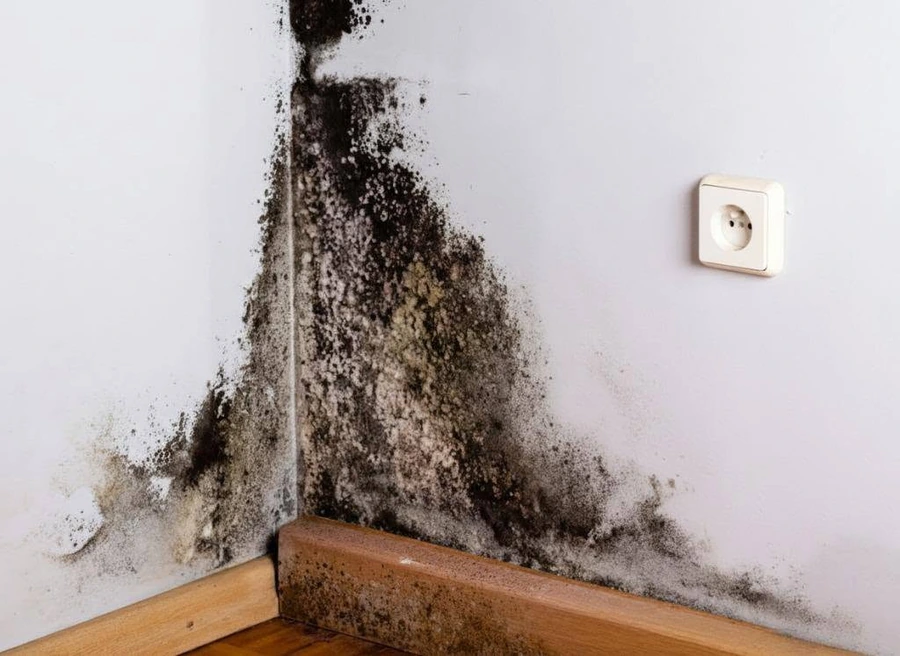 Before
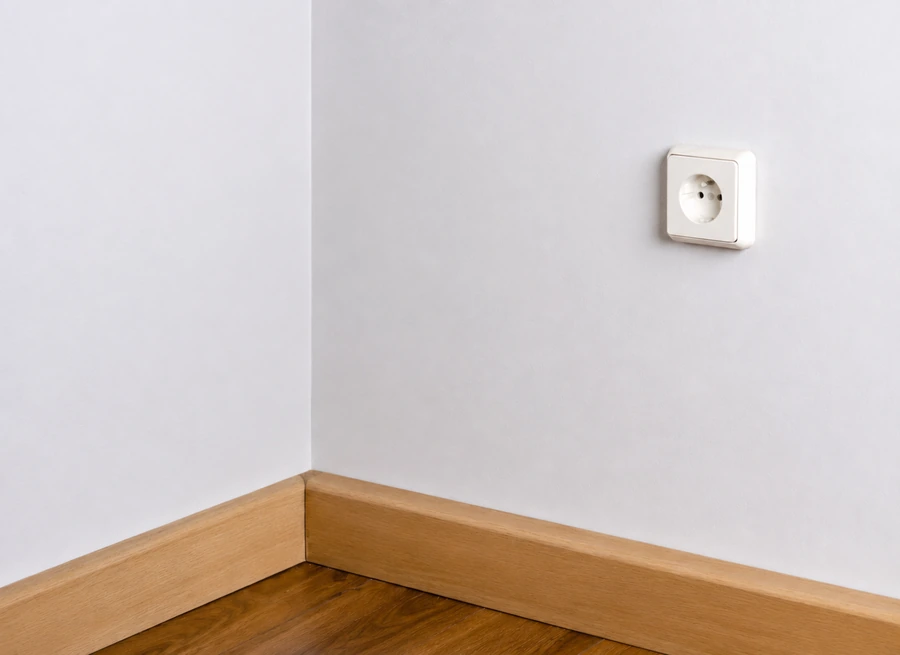 After
After
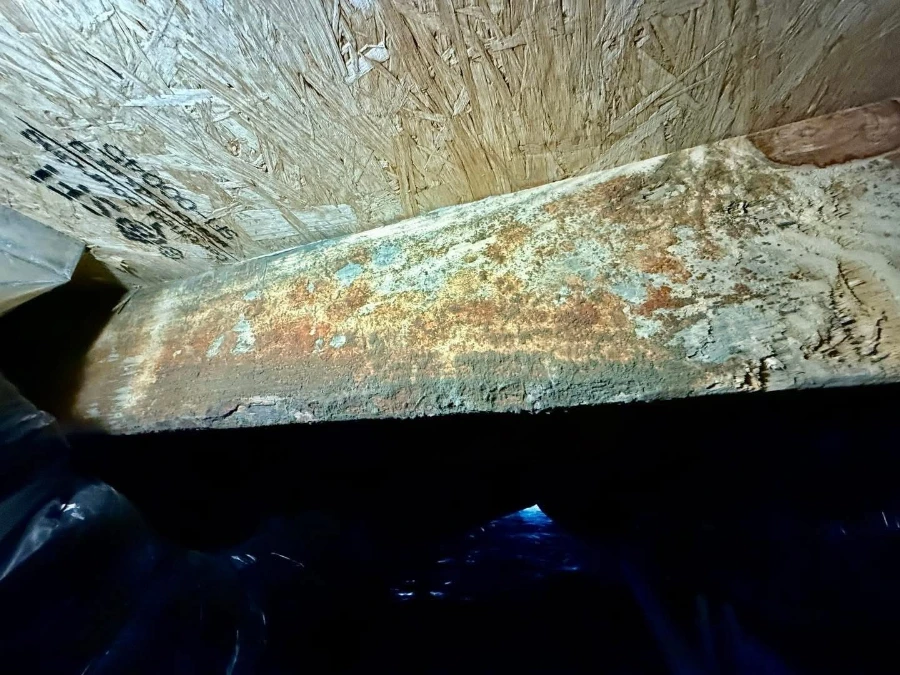 Before
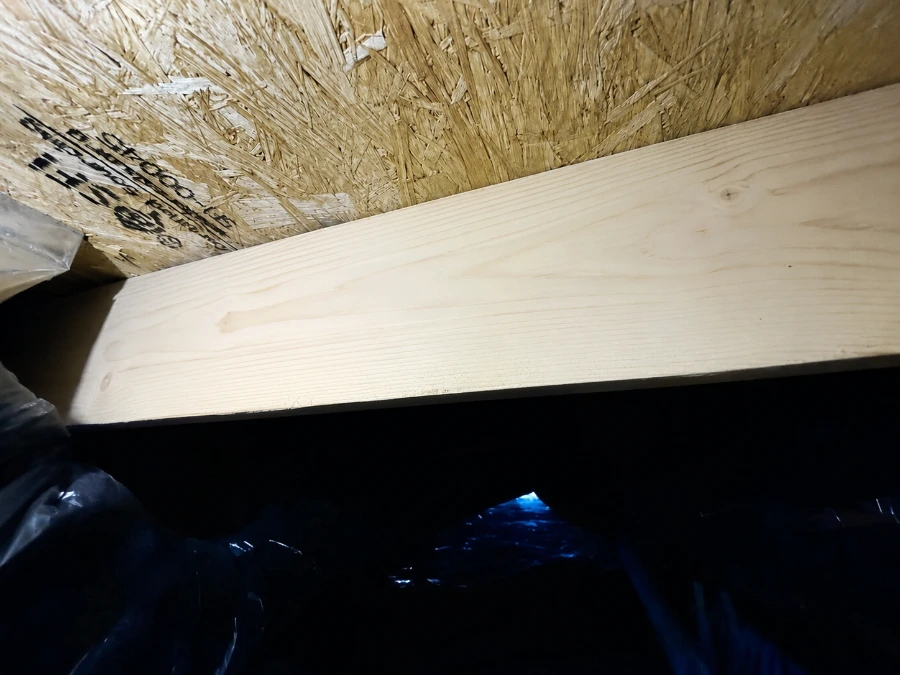 After
After
NYC Mold Remediation, Borough by Borough
From mold removal in Manhattan high-rises to mold abatement in Staten Island basements, Mold Remediation NYC provides mold assessment and remediation services across every borough and New Rochelle.
Manhattan, NY
High call volume for prewar-building inspections and co-op board documentation.
Brooklyn, NY
Frequent brownstone basement moisture and mold calls across the borough.
Staten Island, NY
Storm and flood-related basement mold calls, especially after heavy rain events.
Mold Remediation for Homeowners, Renters & Property Managers
Homeowners
Brownstones, townhouses, and single-family homes across the boroughs and New Rochelle.
Renters & Apartment Residents
Documented inspection and testing reports you can bring to a landlord.
Co-op & Condo Boards
Building-wide assessments and documentation that hold up for board records and insurers.
Property Managers & Landlords
Local Law 55 annual inspections and remediation on the timelines the law requires.
Professional Mold Remediation vs. DIY Mold Cleanup
| DIY Mold Cleanup | Professional Remediation |
|---|---|
| ✕Moisture source often missed entirely | ✓Finds the real moisture source, every time |
| ✕No board-ready or Local Law 55 documentation | ✓Local Law 55 / board-ready documentation included |
| ✕No lab testing possible | ✓Air & surface lab testing available |
| ✕Risk of spreading spores during removal | ✓HEPA containment during removal |
| ✕Best for very small, isolated, visible spots only | ✓Any area over ~10 sq ft, hidden mold, black mold |
How do I find a licensed mold remediation company in NYC?
Under New York Labor Law Article 32, ask any mold remediation company for their NY State Department of Labor license number before booking, and confirm the same firm isn’t also performing your mold assessment on the same job, since state law keeps those two roles separate.
Mold Remediation Questions, Answered
Mold inspection is a visual and moisture-based assessment to find visible growth and the conditions causing it. Mold testing goes further, using lab-analyzed air or surface samples to confirm what type of mold is present and how concentrated it is. Mold remediation is the actual removal and cleanup: sealing off the area, removing affected materials, and cleaning with HEPA filtration.
Cost depends on the size of the affected area, how many rooms or materials are involved, and how accessible the mold is. An inspection provides a real, specific number for your unit or building.
Under NYC’s Local Law 55, owners of buildings with three or more units must inspect for mold annually and correct it within a set timeline. Buildings with 10 or more units must use a New York State-licensed mold assessor and remediator once an area exceeds 10 square feet.
Start with your landlord or management company in writing, since Local Law 55 puts inspection and correction on the owner. If it isn’t addressed, NYC’s 311 system and the Department of Housing Preservation and Development (HPD) handle mold complaints.
Most standard policies cover mold only when it results from a sudden, accidental covered event, not from long-term leaks or general humidity. Coverage varies by carrier and policy.
Under New York Labor Law Article 32, mold assessment and remediation contractors must be licensed through the NY State Department of Labor, and the same person or firm can’t perform both the assessment and the remediation on the same job.
A small, contained spot can often be handled in a day or two. Larger jobs typically take several days to a week or more, since the moisture source has to be corrected and materials need time to dry.
For very small, isolated spots, EPA guidance allows for careful DIY cleanup. Larger, hidden, or HVAC-connected mold, and anything a landlord or board needs documented, calls for a licensed professional.
No. Painting over mold does not kill it and can trap moisture, making the problem worse. The mold and its moisture source need to be addressed first.
If the moisture source is properly identified and corrected, professionally remediated mold has a low chance of returning in that spot.
For most people, mold exposure causes allergy-like symptoms that improve away from the affected area; people with asthma, mold allergies, or compromised immune systems can react more severely. The EPA recommends addressing indoor mold regardless of symptoms.
Some do. A trustworthy company explains findings plainly, including when a problem is minor enough that it doesn’t need a full remediation job.
Not Sure If What You’re Looking At Is Mold?
Describe what you’re seeing and we’ll tell you straight whether it’s safe to wait or worth a visit.