

Mold Inspection NYC
A mold inspection is a hands-on, whole-unit walkthrough that finds visible growth and traces it back to the moisture source causing it, no lab samples involved. We check the whole apartment or building, not just the one spot you noticed, across Manhattan, Brooklyn, Queens, the Bronx, Staten Island, and New Rochelle.
Request Your Mold Inspection Quote
Get a straight answer before we schedule a visit.
No obligation. We’ll call to confirm your appointment.
What’s Included in Mold Inspection
- A full walkthrough of the unit or building, not just the spot you called about
- Moisture meter readings taken in walls, floors, ceilings, and other likely trouble spots
- A check of common problem areas: window sills, exterior walls, bathrooms, under sinks, and near HVAC units
- Tracing any growth we find back to its actual moisture source
- Photo documentation of every finding
- A written report you can hand to a landlord, board, or insurer
- An honest recommendation on whether testing or remediation is actually needed next
- Lab-analyzed air or surface samples confirming mold type and concentration. See our mold testing service
- Removing or cleaning up mold once it’s found. See our mold remediation service
- Ongoing air quality monitoring after the visit. See our indoor air quality testing service
What’s the difference between a mold inspection and mold testing?
An inspection is what happens first: a technician walks the space, looks for growth, and takes moisture readings to find the cause. Testing goes a step further only when it’s needed, sending air or surface samples to a lab for a written result on exactly what type of mold is present. Most visits start as an inspection, and testing gets added on only if the situation calls for it.
Signs You Need a Mold Inspection
You don’t need to see mold to have a real reason to get one checked out.
A musty smell you can’t trace to a specific spot
A recent leak or water event, even one that seemed minor at the time
New water stains, discoloration, or peeling paint on a wall or ceiling
Your building needs its Local Law 55 annual mold inspection on file
The Mold Inspection Process, Step by Step
Contact & Scheduling
You tell us what prompted the call, whether it’s a smell, a stain, or an annual compliance deadline. We find a visit time that fits your building’s schedule, including board coordination if needed.
Whole-Unit Walkthrough
We check the entire space, not just the room you reported, since mold in one spot often points to a moisture problem affecting more than one area.
Moisture Readings & Source Tracing
A moisture meter helps confirm where water is actually getting in or building up, so the report points to the real cause, not just the visible symptom.
Report Delivery & Recommendation
You get a written report with photos and a plain-language recommendation on what, if anything, needs to happen next.
Will you check the whole apartment or just the spot I’m worried about?
The whole unit. Mold you can see in one room is often tied to a moisture source that’s affecting a wall, floor, or ceiling somewhere else too, so a spot check alone can miss the real problem. A full walkthrough is standard on every inspection we do.
What Mold Inspection Costs
Cost depends on the scope of the visit. Here’s what affects it:
- The size of the unit or building being inspected
- How many rooms or areas need a closer look
- Whether Local Law 55 board or landlord documentation is needed
- Standard scheduling versus a same-week visit
A quick call gets you a real number based on your specific unit or building.
How We Reduce Your Risk
- A written report with photos, not just a verbal opinion on your way out the door
- An honest recommendation, including telling you when no further work is actually needed
How long does a mold inspection take?
Most residential inspections take under an hour, depending on the size of the unit and how many areas need a closer look. Larger buildings or multi-unit walkthroughs for Local Law 55 compliance can take longer.
Real Mold Inspection Results
Before and after: the same space, before the walkthrough and after the inspection was complete.
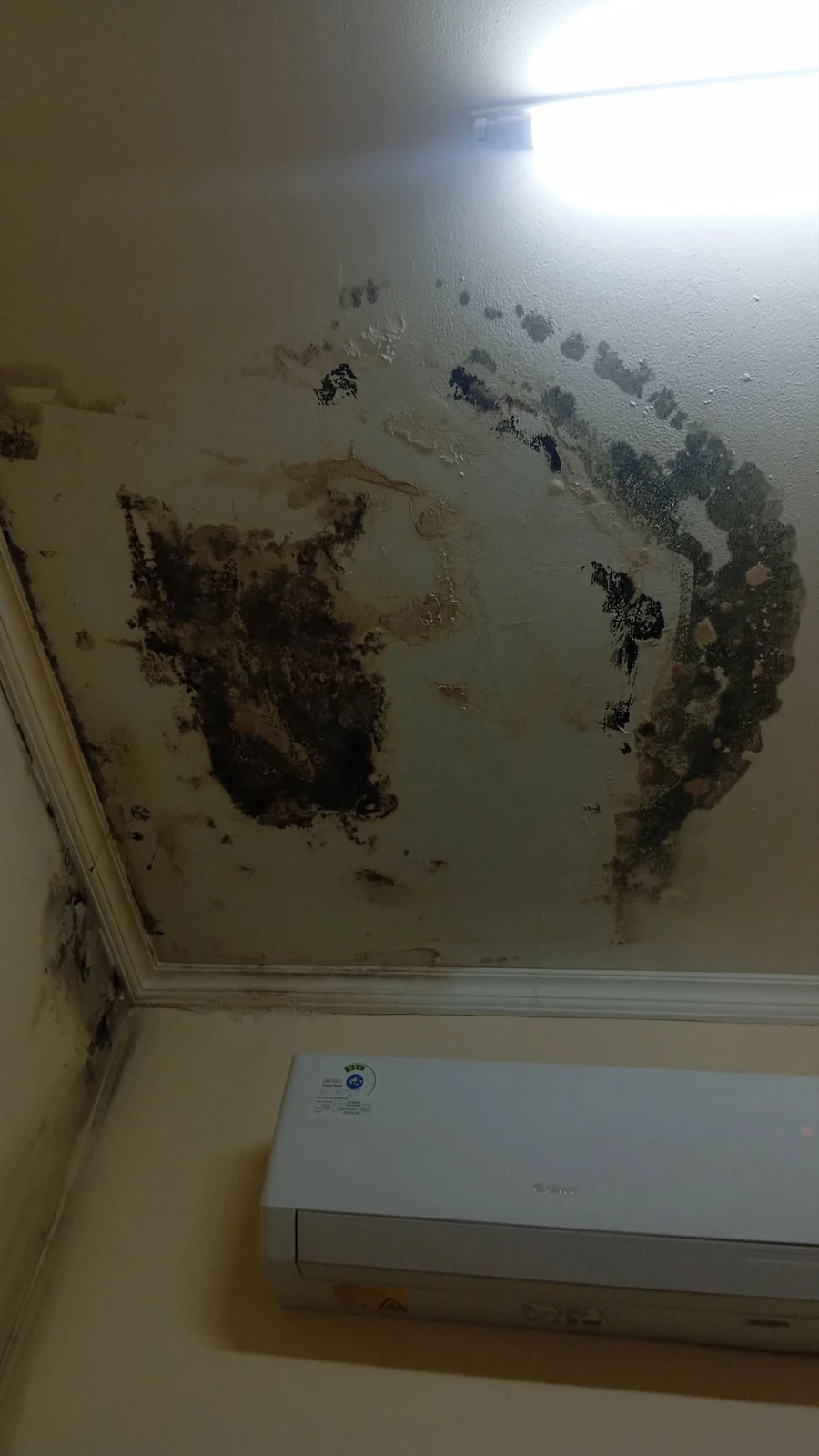 Before
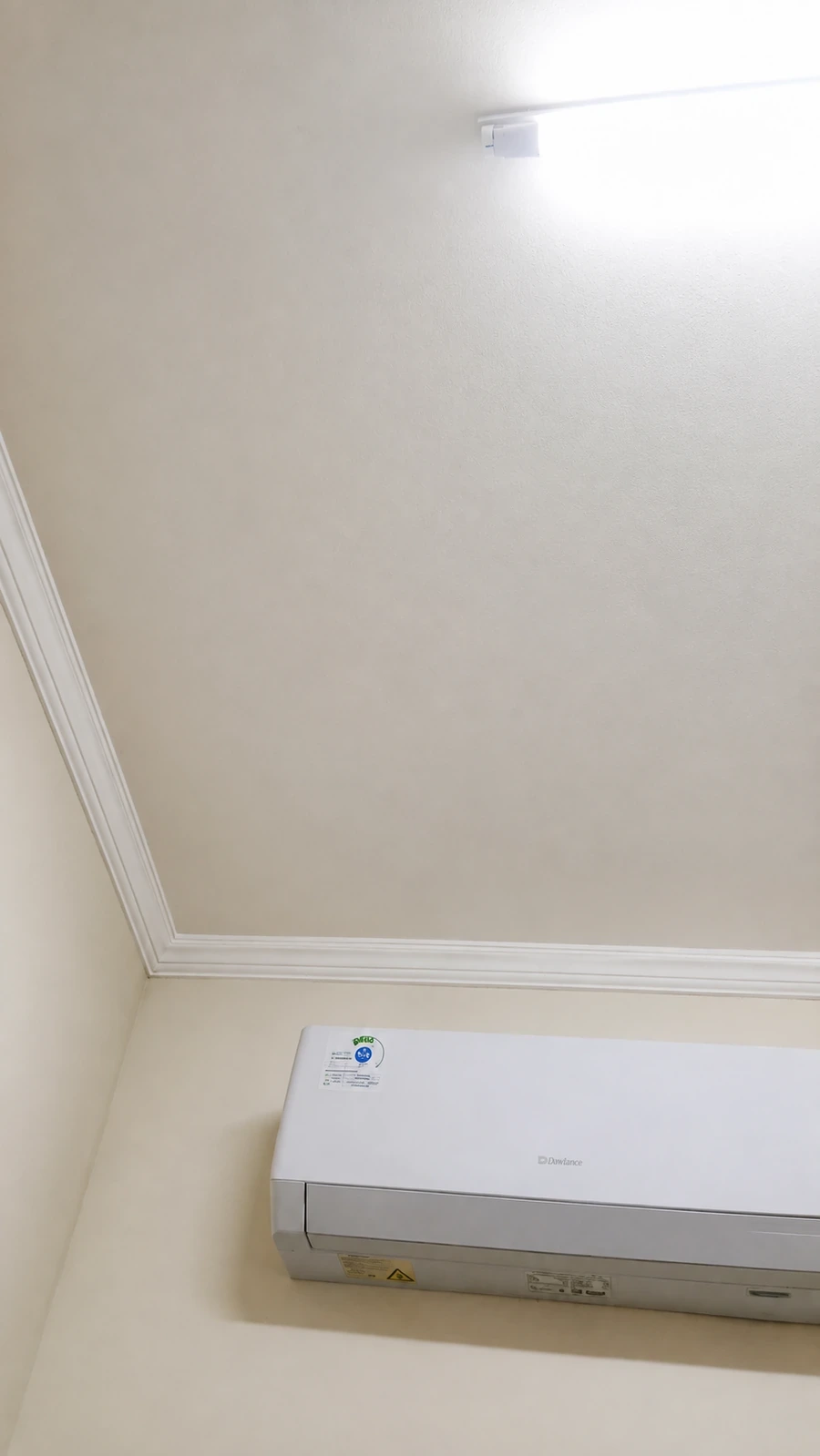 After
After
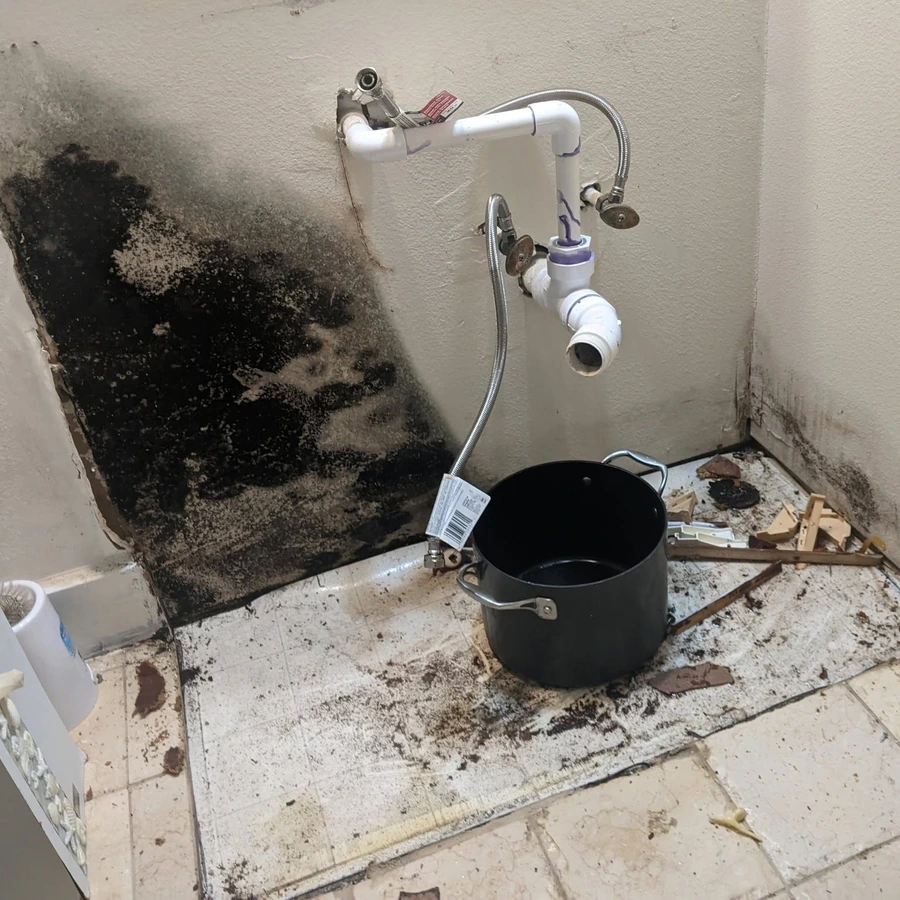 Before
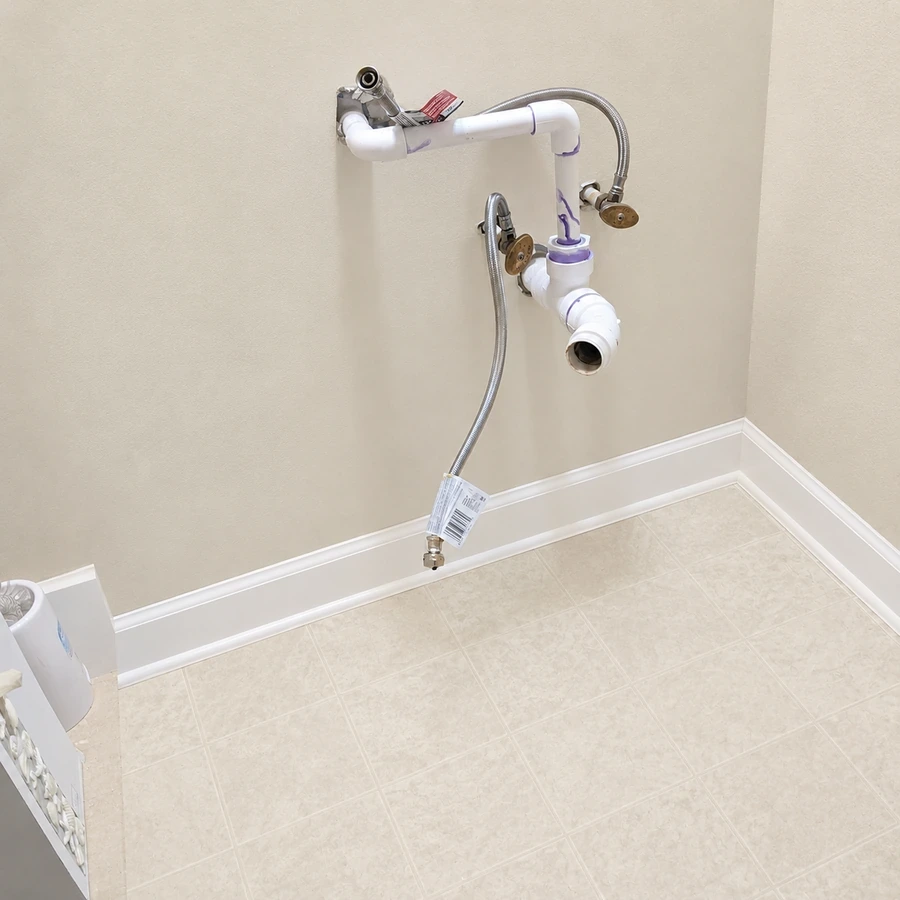 After
After
Licensed Mold Inspection Standards
Every inspection follows the same licensed process, whether it’s for one apartment or a full building.
NY State Mold Assessor License (Article 32)
Every walkthrough is performed under our NY State Department of Labor mold assessor license, issued through New York Labor Law Article 32.
Local Law 55 Annual Inspections
We handle the annual mold inspection buildings with three or more units are required to complete under Local Law 55.
IICRC S520 Assessment Protocols
Our walkthroughs follow the ANSI/IICRC S520 standard’s assessment protocols for finding and documenting mold.
EPA-Guided Practices
Our assessment approach follows current EPA guidance for evaluating indoor mold and moisture conditions.
Does Local Law 55 require an annual mold inspection?
Yes. Owners of buildings with three or more units must inspect for mold annually and correct any problems on a set timeline. Buildings with 10 or more units must use a New York State-licensed mold assessor once an affected area passes 10 square feet.
What NYC Property Owners Say About Our Inspection Work
They checked the whole apartment, not just the bathroom I called about, and found a second spot behind the bedroom closet I had no idea was there.
Our board needed the annual Local Law 55 inspection done for the whole building. Scheduling every unit was smooth and the report was ready fast.
Honestly expected them to try to sell me a bigger job. Instead they told me the small spot I found wasn’t worth remediating and explained how to keep an eye on it.
Mold Inspection Questions, Answered
Yes. Every inspection ends with a written report and photos documenting what we found, where the moisture source is, and what we recommend as a next step. It’s built to hand straight to a landlord, board, or insurer if you need to.
Yes, and it’s a common reason people book one. An inspection before you sign gives you an honest read on the space before you’re committed, whether that’s a rental, a co-op, or a house you’re closing on.
We’ll tell you honestly what we found and what it means. Small, isolated spots sometimes don’t need anything beyond monitoring. Larger or hidden growth usually means testing to confirm the type, or remediation to remove it and fix the moisture source.
For most situations, a thorough visual and moisture-based inspection is enough to confirm there’s a problem and find the cause. Lab testing gets added when you specifically need documented proof of the mold type and concentration, like for an insurance claim.
Yes. Hallways, basements, and shared mechanical rooms are common places for moisture to build up unnoticed, and boards often ask us to include them as part of a building-wide inspection.
No. Under New York Labor Law Article 32, the company that inspects your mold can’t also be the one that remediates it. That legal separation means there’s no financial reason for us to recommend work you don’t actually need.
Yes. Owners of buildings with three or more units must inspect for mold annually and correct any problems on a set timeline. Buildings with 10 or more units must use a New York State-licensed mold assessor once an affected area passes 10 square feet.
Ready to Get Your Mold Inspection Quote?
Tell us what’s prompting the visit, and we’ll give you a real answer before we schedule anything.
Request Your Mold Inspection Quote
- NY DOL-licensed mold assessor (Article 32)
- Local Law 55 annual inspections
- Serving Manhattan, Brooklyn, Queens, the Bronx, Staten Island & New Rochelle