Is a Tenant Responsible for Mold in a NYC Apartment?
Sometimes. It usually comes down to what actually caused the moisture in the first place.
A tenant can be part of the reason mold shows up, but that’s not automatically the case just because mold appeared in a rented unit. The honest answer depends on what’s causing the moisture behind it, and that’s usually easier to sort out than it first seems.
What Usually Points to a Tenant-Related Cause
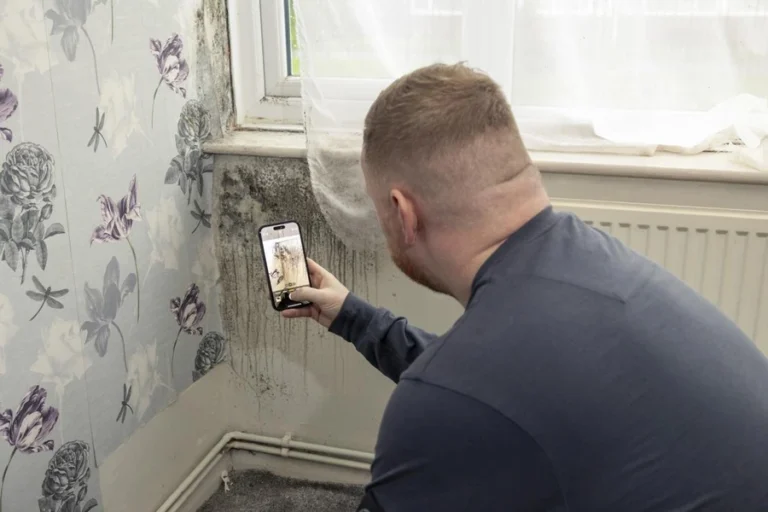
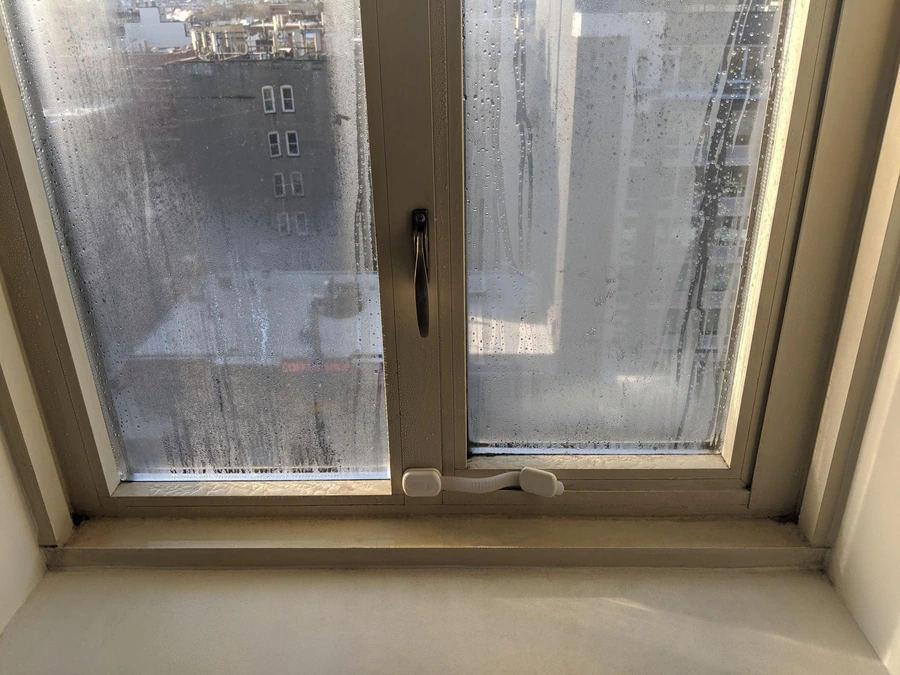
Day-to-day habits can raise moisture levels enough to help mold grow, especially in a small apartment with limited airflow. This doesn’t mean a tenant did anything wrong on purpose. It just means the moisture source traces back to how the unit is being used, not a defect in the building itself.
What Usually Points to a Building-Related Cause
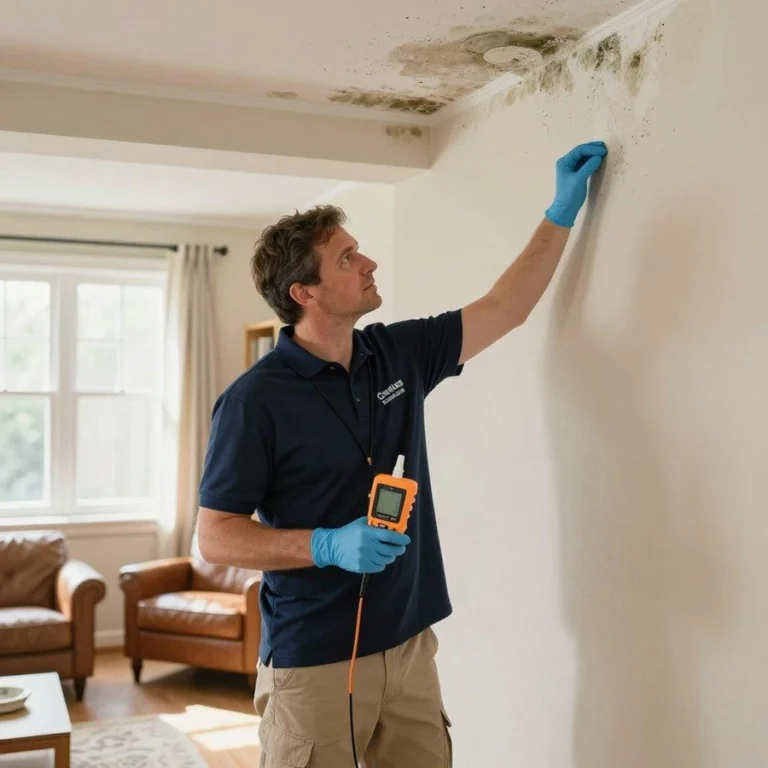
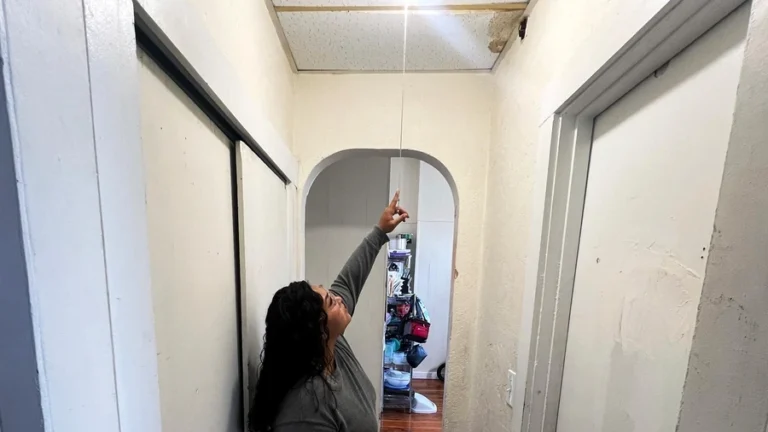
A lot of the time, the moisture source has nothing to do with anything a tenant is doing. A leaking pipe inside a wall, a roof that lets water in, or a poorly sealed window are all building issues that would cause the same problem no matter who lived there.
Often Tenant-Related
- Drying laundry indoors without ventilation
- Never using the bathroom exhaust fan
- Keeping windows sealed shut year-round with no airflow
- Overwatering plants near a wall or floor
Usually Building-Related
- A leaking pipe or fixture inside a wall
- Roof or facade water intrusion
- A poorly sealed window or door frame
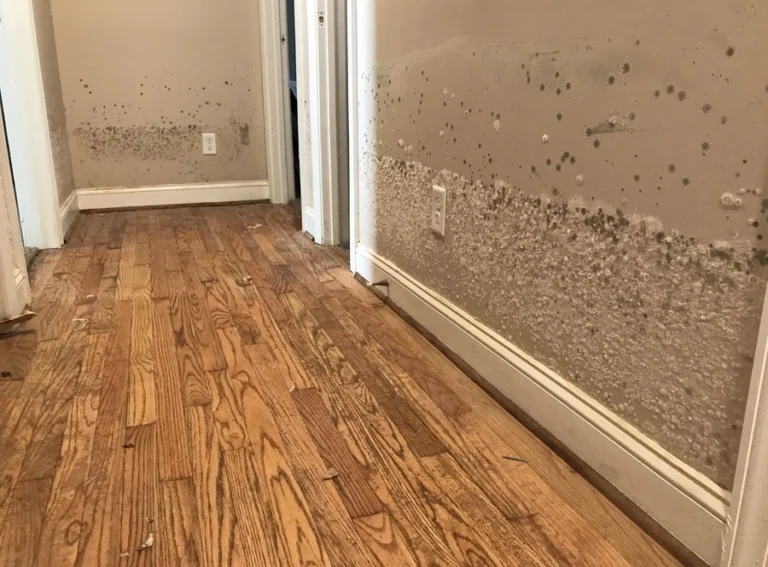
- A past flood or leak that was never fully dried out
Why the Distinction Matters
This isn’t just a technical detail. It usually determines who’s expected to pay for and arrange the fix, and it shapes how a landlord or building is likely to respond once the problem is reported. A tenant-related cause is often something small changes can prevent going forward. A building-related cause generally isn’t something a tenant can fix on their own, no matter how many windows they open.
A quick note on gray areas. Some cases genuinely have both factors at play, like a building with poor ventilation combined with a tenant who can’t easily air out the space. In those situations, addressing just one side of the problem usually isn’t enough.
For a look at what a landlord is generally expected to do once a mold problem is reported, see our overview of landlord responsibilities for mold.