Mold in a Co-op or Condo Building: Who’s Responsible, the Board or the Owner?
It usually depends on where the moisture problem actually starts, not just which unit it shows up in.
Co-op and condo living splits a building into two kinds of space: what an owner controls inside their own unit, and what belongs to the building as a whole. Mold responsibility usually follows that same split, which means the board and the individual owner can both be right, depending on where the problem actually originated.
Common Elements vs. Your Unit
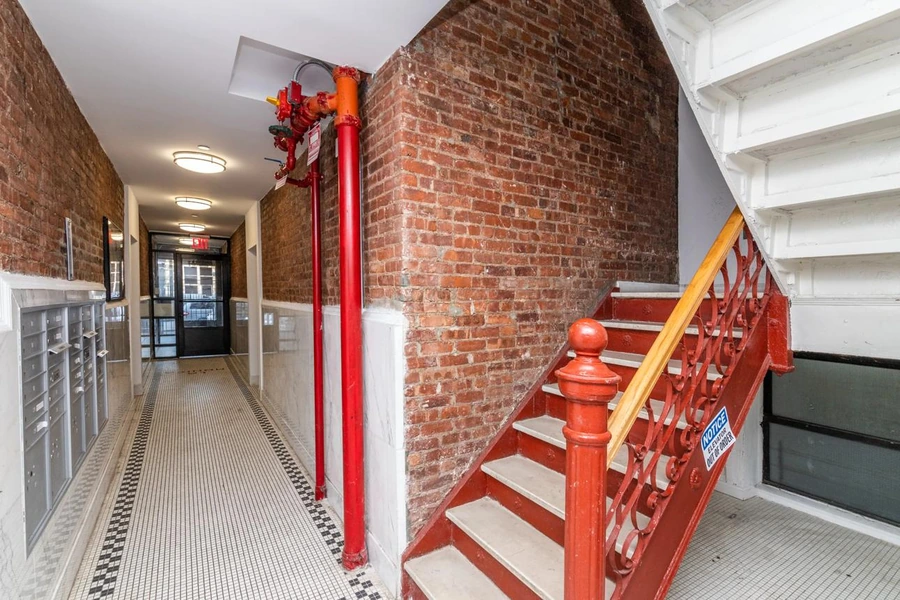
Buildings generally draw a line between common elements, the parts shared by everyone like the roof, the facade, hallways, and the main plumbing risers, and the space inside an individual unit, which is usually the owner’s responsibility to maintain. A mold problem that starts in a shared element is generally the building’s job to fix. A problem that starts with something inside one owner’s unit is usually that owner’s job.
Where This Gets Confusing
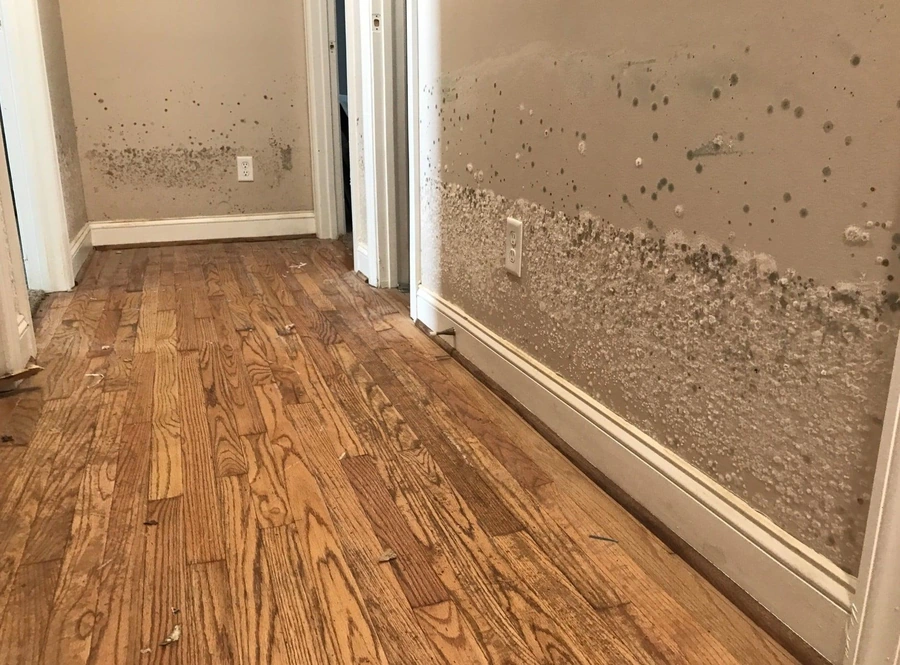
The confusion almost always comes from the fact that a shared-element problem doesn’t stay in the shared space. A leaking riser behind a wall shows up as a stain in someone’s bedroom, not in the hallway where the pipe actually is. That’s why the source matters more than the location where the mold is visible.
| Where the Problem Starts | Typically Whose Job |
|---|---|
| Shared plumbing riser or pipe behind a wall | Building (board) |
| Roof, facade, or exterior wall leak | Building (board) |
| A fixture or appliance inside one unit | Unit owner |
| Ventilation habits inside one unit | Unit owner |
A quick note on your building’s own rules. A proprietary lease or set of bylaws can define common elements and responsibility differently from one building to the next, so the general split above is a starting point, not a substitute for checking your own building’s documents.
What to Do If You’re Not Sure
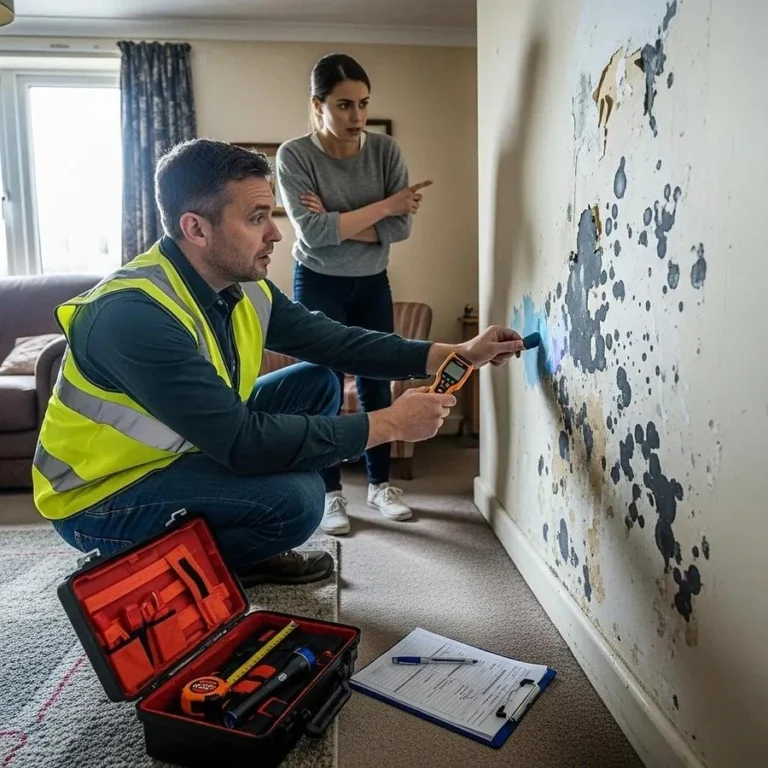
Report the problem in writing to the board or managing agent either way, and let them help trace the source before assuming it’s entirely on you or entirely on the building. An independent inspection can also settle the question by identifying exactly where the moisture is coming from.
For a related look at how moisture responsibility gets sorted out in a rental setting, see our explanation of tenant versus building responsibility for mold.