Do You Need a Mold Inspection Before Buying an NYC Co-op or Condo?
A pre-purchase mold inspection isn’t standard on every deal, but for a lot of older apartments, it’s worth seriously considering.
A standard home inspection doesn’t always dig into moisture and mold the way a dedicated mold inspection does, and in a co-op or condo where you’re buying into shared walls, shared plumbing, and someone else’s maintenance history, that gap can matter more than it would in a detached house.

Why Older Co-ops and Condos Are Worth a Closer Look
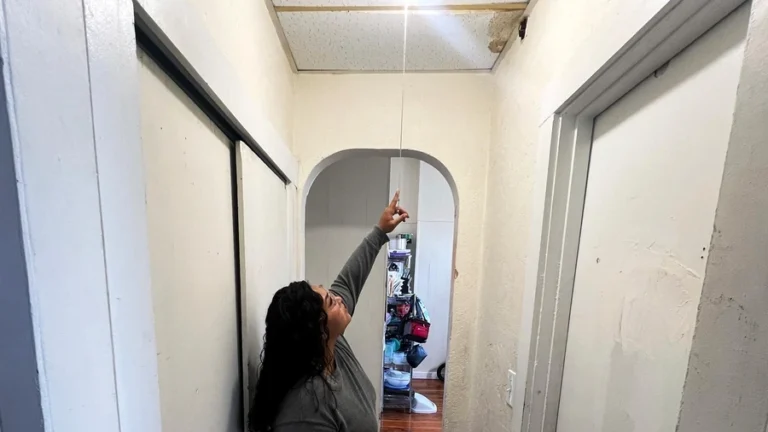
A lot of the city’s co-op and condo stock is decades old, with plumbing, facades, and window seals that have been through years of wear before you ever see the unit. Water can travel a surprising distance inside a building before it shows up as a stain or a smell in the apartment you’re actually looking at, which is exactly the kind of thing a general walkthrough tends to miss.
Signs Worth Checking During a Walkthrough
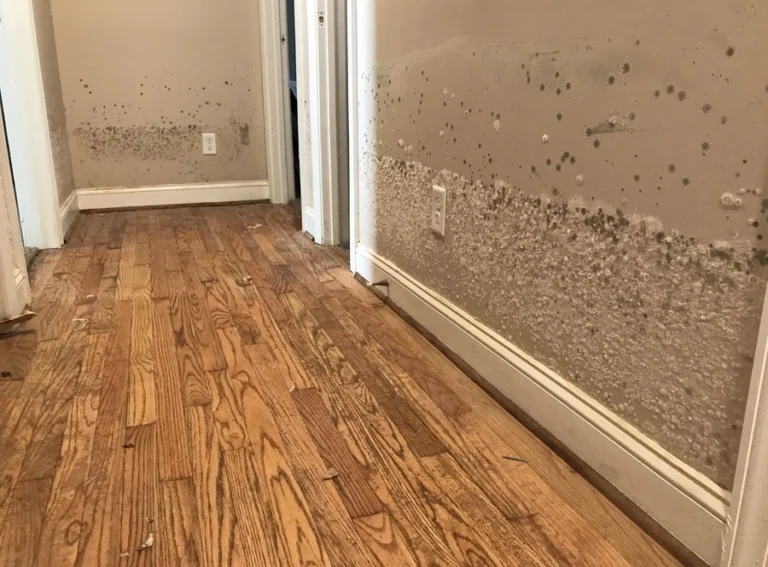
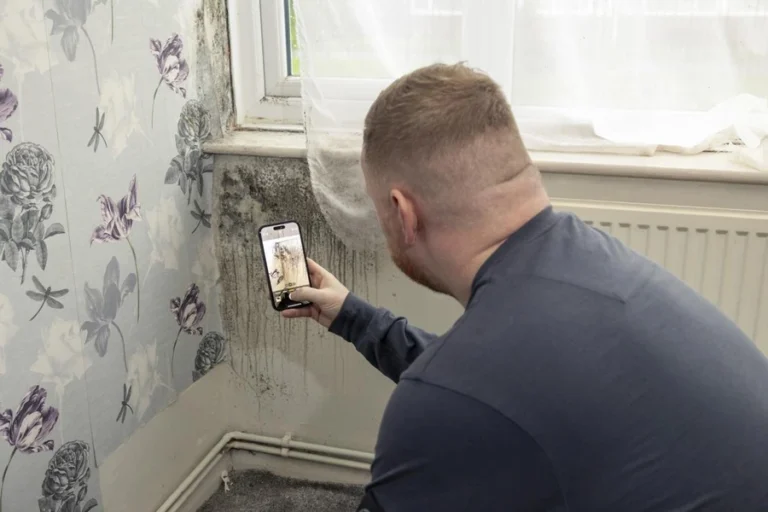
- A musty smell in a closet, bathroom, or near an exterior wall, even if nothing is visibly stained
- Fresh paint in just one small patch of a wall or ceiling, which can sometimes cover a past stain
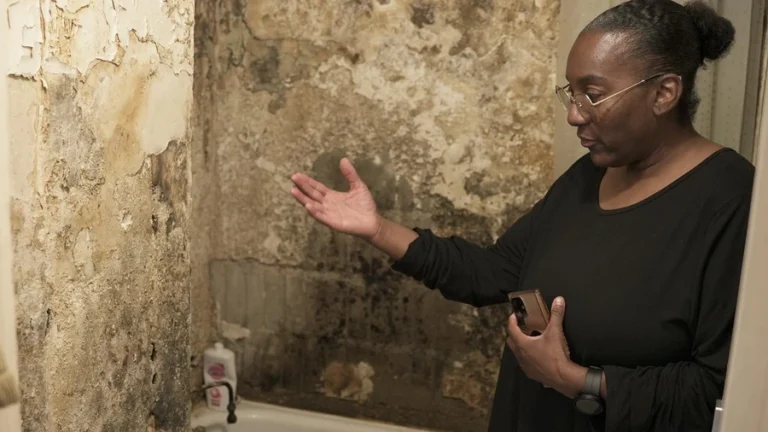
- Warped or bubbling paint and plaster around windows, radiators, or plumbing fixtures
- Any mention in building disclosures or board minutes of a past leak, flood, or water intrusion
What can a mold inspection actually tell you?
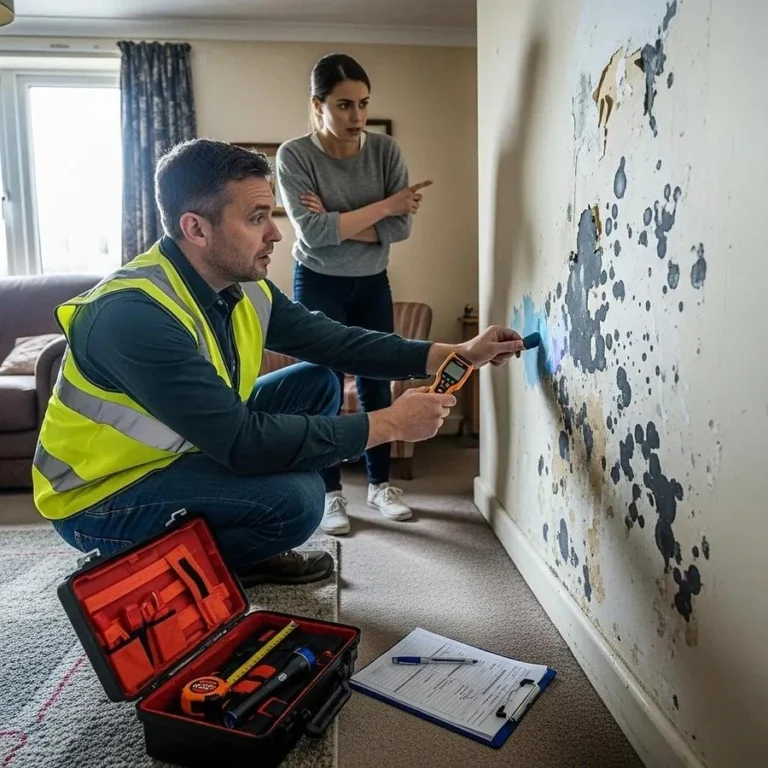
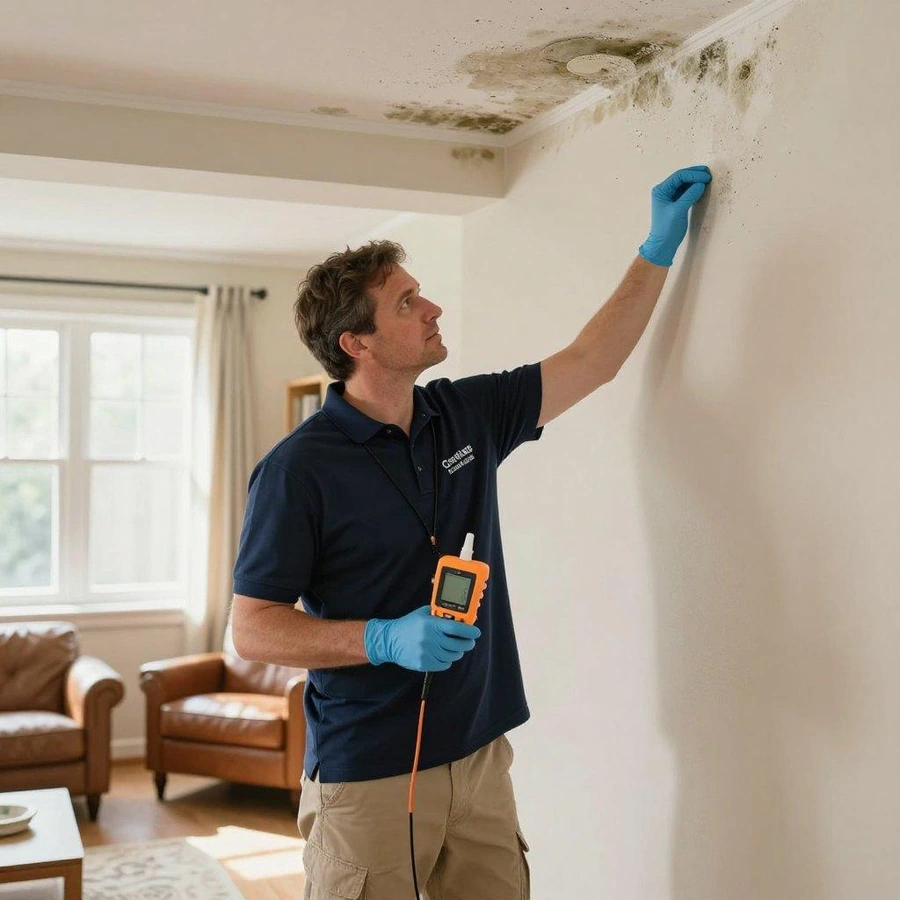
It confirms whether mold is currently present, roughly how extensive it is, and often points to the moisture source behind it, whether that’s a plumbing issue, a window seal, or something coming from a shared wall.
What can’t it tell you?
It’s a snapshot of the day it’s done. It can’t guarantee a building’s plumbing or roof won’t develop a new leak after you move in, and it isn’t a substitute for reviewing a co-op or condo’s maintenance and building-wide repair history.
If a walkthrough turns up anything on that list, our mold inspection service page covers what an actual visit typically involves.