Can a Landlord Get in Trouble for Ignoring a Mold Problem?
You reported it, and nothing happened. Here’s a general look at why that’s a real risk for a landlord, not just an inconvenience for you.
This article is a general overview, not legal advice. Every lease, building, and situation is different, and a landlord-tenant attorney or your local housing agency is the right resource for anything specific to your case.
Why Ignoring It Isn’t a Safe Bet
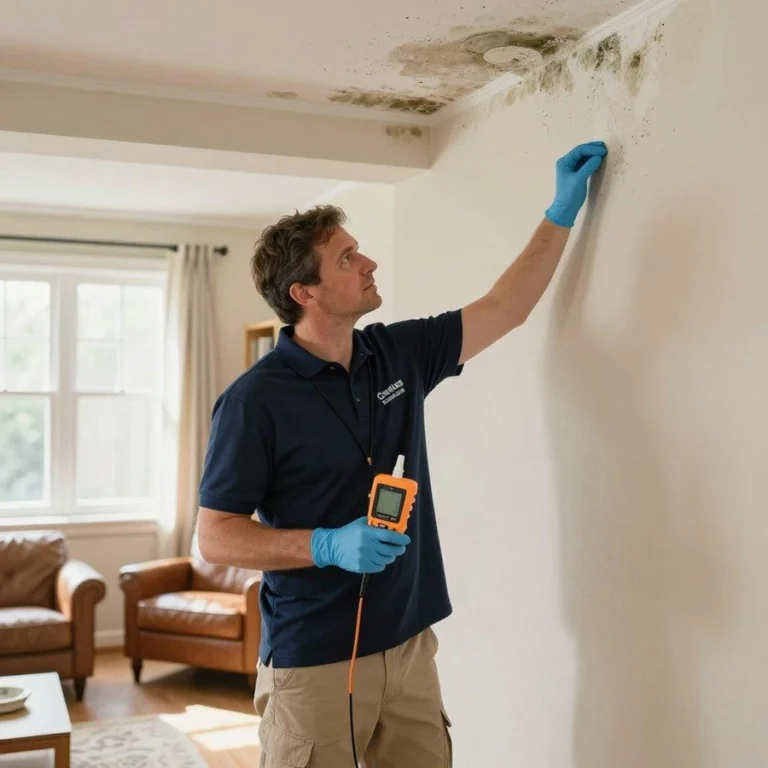
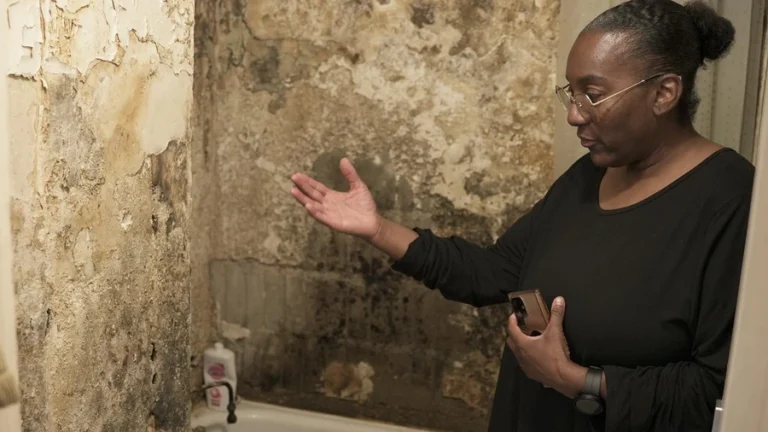
A landlord who lets a documented mold report sit unanswered is taking on more risk than it might seem. Mold tied to a leak or ventilation issue is generally treated as a habitability problem, not a cosmetic one, and a habitability problem that goes unaddressed can turn into a bigger, more expensive issue the longer it’s ignored.
What Can Actually Happen
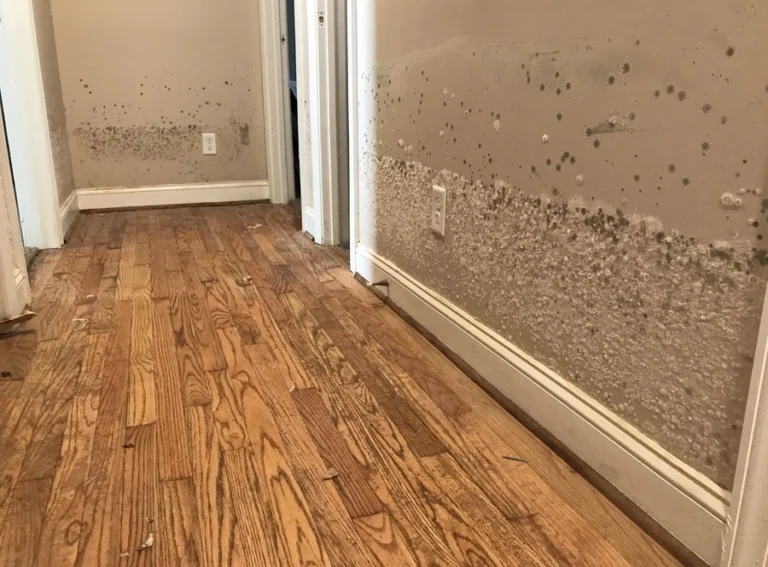
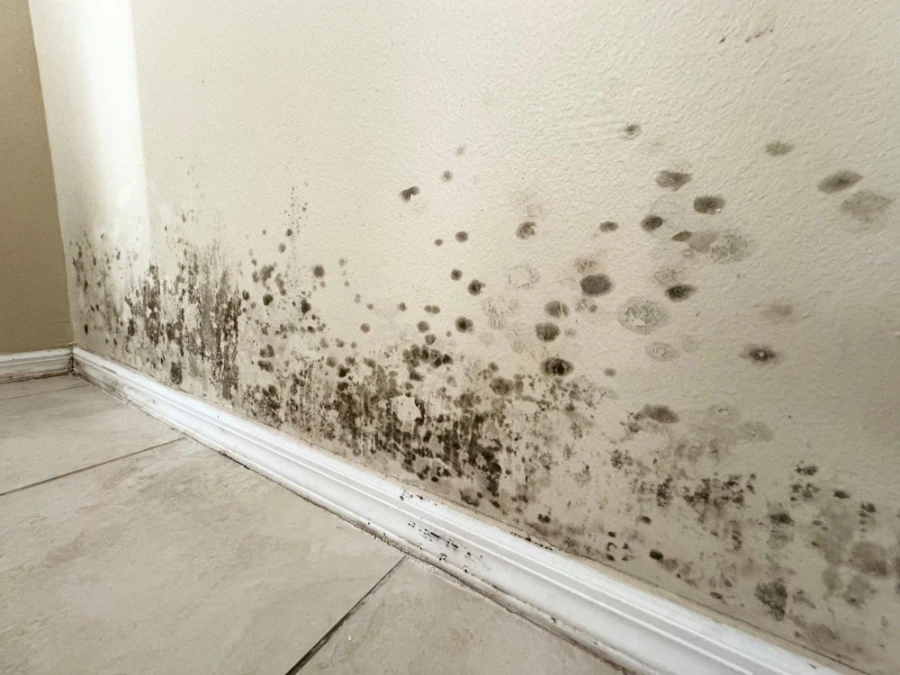
- The problem gets worse and costs more to fix. Mold that’s caught early is usually a smaller job than mold that’s had months to spread through drywall or flooring.
- A tenant can escalate beyond the landlord directly. A documented, ignored report is often the exact record a housing agency or attorney needs to act on.
- Other units or shared areas can end up affected too. A source that isn’t fixed doesn’t usually stay contained to one apartment forever.
- Trust and communication break down. A tenant who feels ignored is far more likely to escalate quickly instead of waiting patiently.
What Counts as “Ignoring” It
There’s a real difference between a landlord who’s actively working on a fix that just takes time, and one who’s genuinely done nothing. A contractor scheduled two weeks out isn’t the same as silence for two months. The written record of what was reported, when, and what response came back is usually what separates the two.
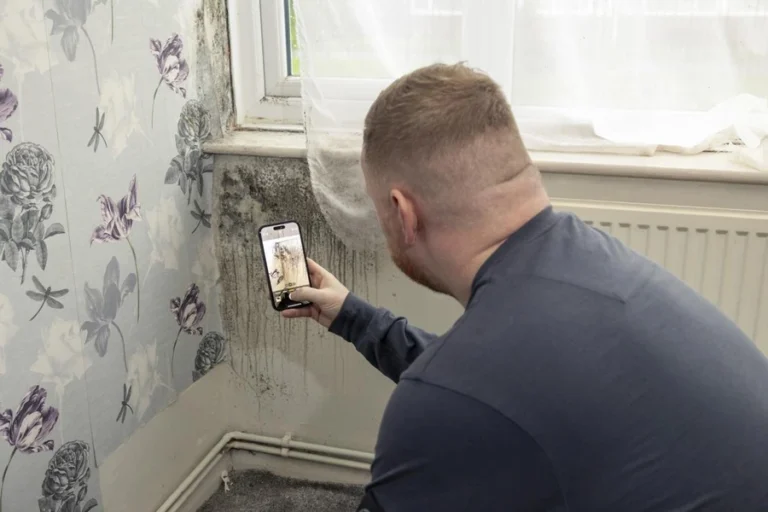
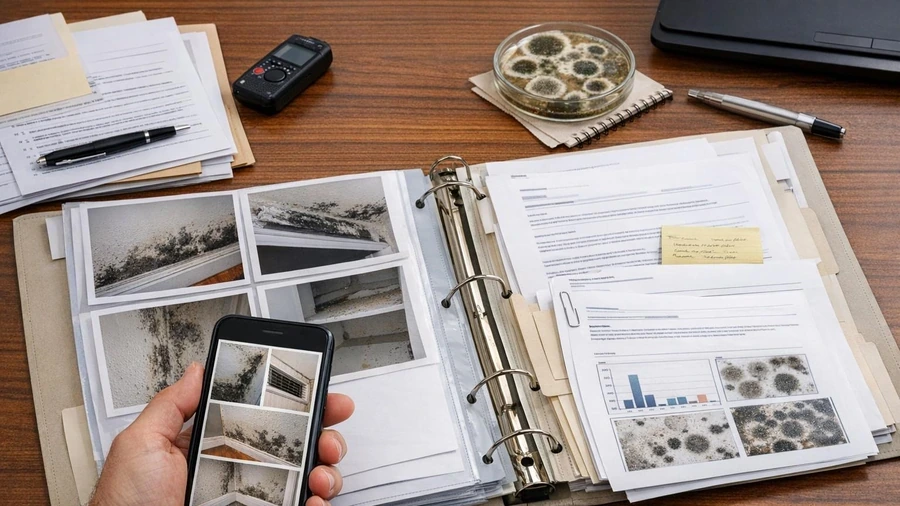
A quick note on your own documentation. If you’re the one who reported the problem, keeping copies of your messages and any photos matters just as much here as it does when the issue first comes up. It’s the difference between a vague complaint and a clear timeline.
For a broader look at what a landlord is generally expected to do once mold is reported, see our overview of landlord responsibilities for mold.