Landlord Responsibilities for Mold in New York City Rentals
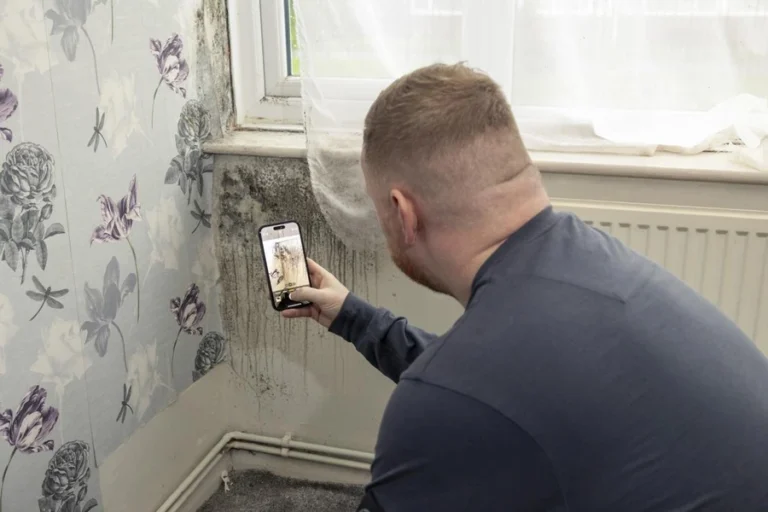
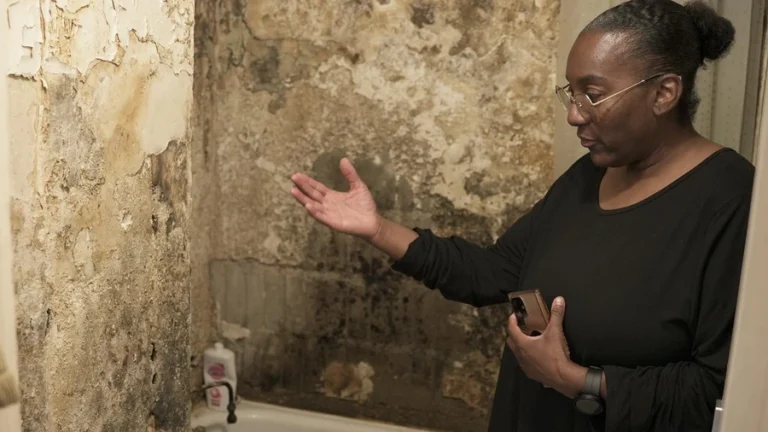
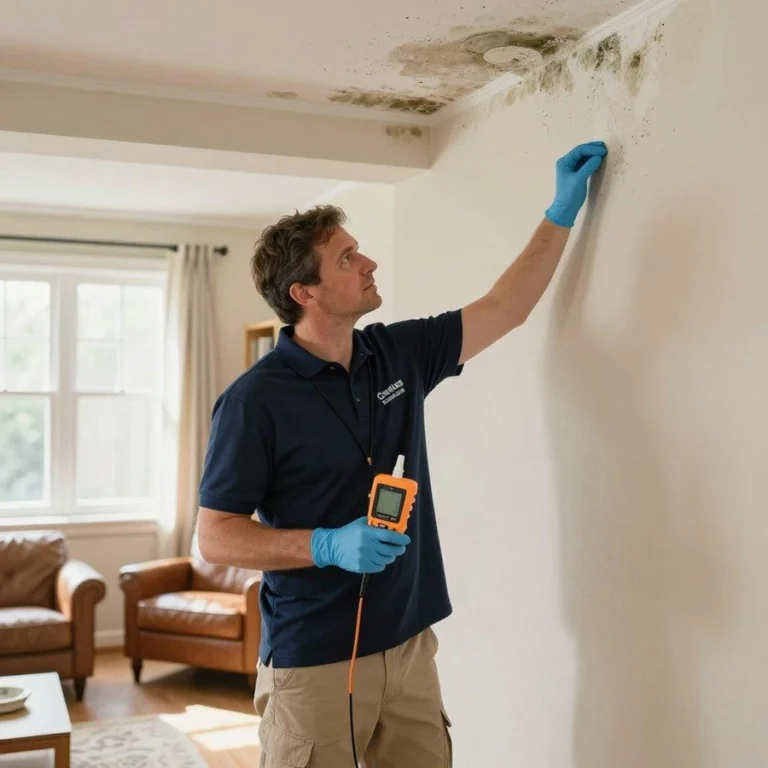
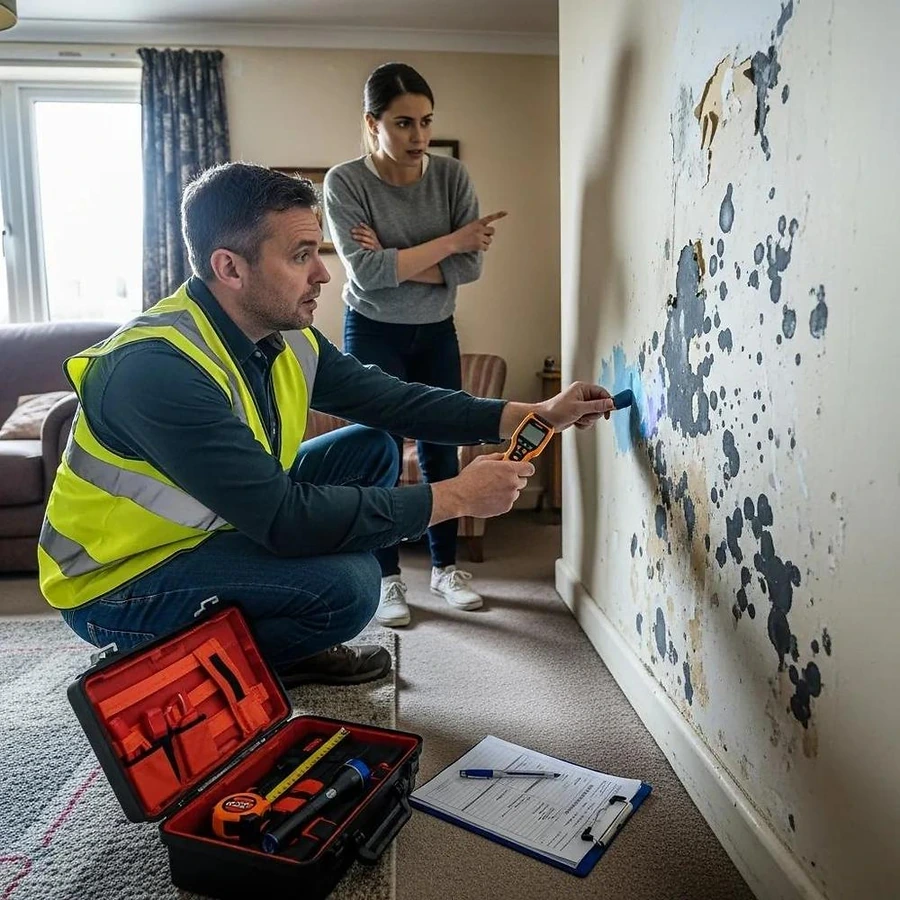
Once a mold problem is reported, a landlord generally has a role to play in addressing it. Here’s a general look at what that usually involves.
This article is meant to give a general, practical overview, not legal advice. Every lease and every situation is different, and a landlord-tenant attorney or local housing agency is the right resource for anything specific to your case.
Habitability Is the Starting Point
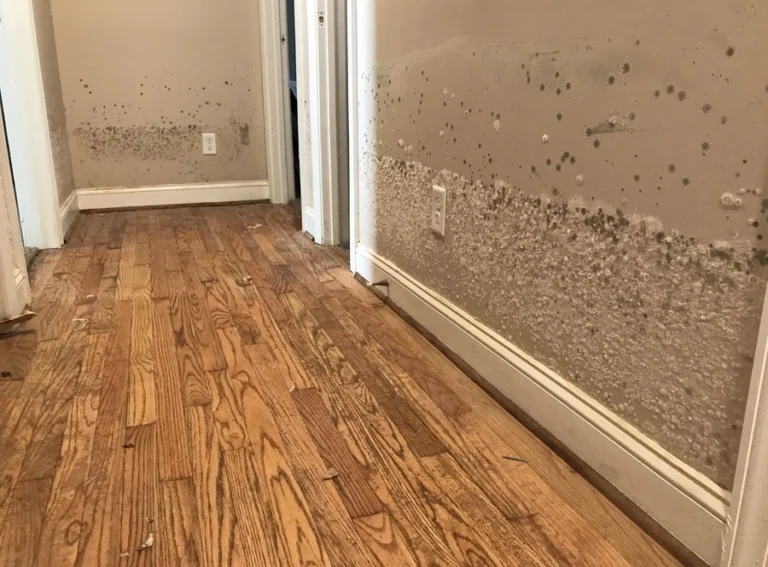
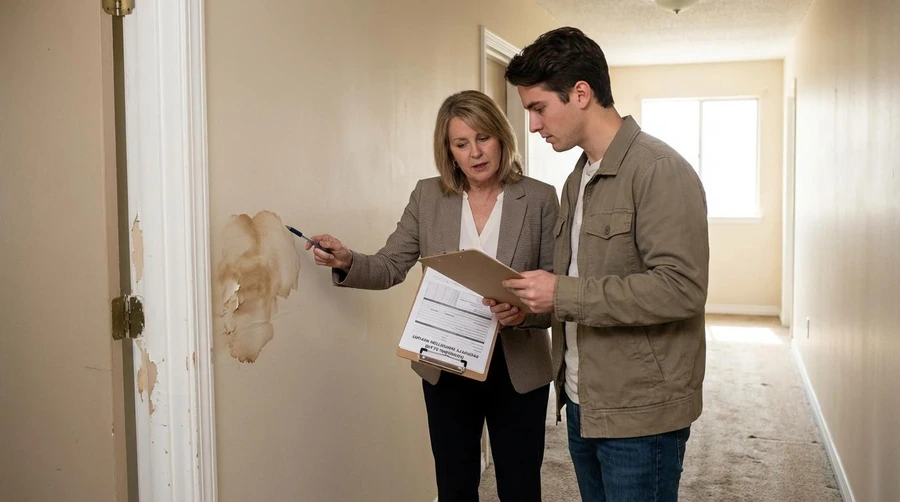
Rental housing is generally expected to be safe and livable, and a significant mold problem can interfere with that. This is usually the underlying reason mold gets treated differently than a minor cosmetic issue: it can affect whether a unit is reasonably habitable, not just how it looks.
What a Landlord Is Typically Expected to Do
- Respond to a reported problem in a reasonable timeframe. What counts as reasonable can depend on how serious the issue is, but ignoring a documented report entirely is generally not acceptable.
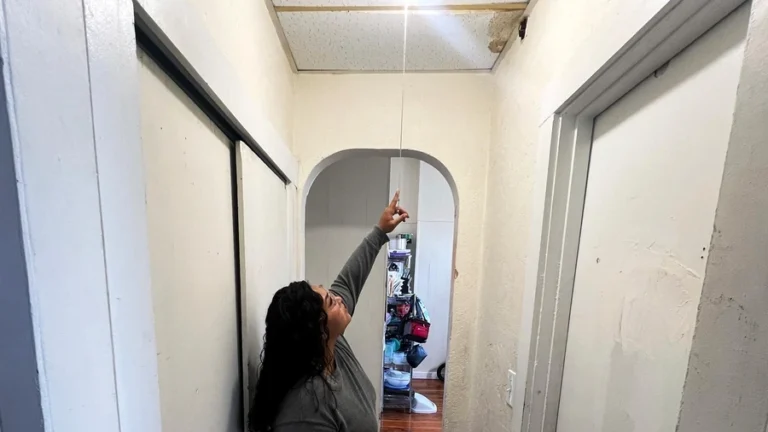
- Address the underlying cause, not just the visible mold. Wiping down a surface without fixing the leak or ventilation issue behind it usually just means the mold comes back.
- Arrange for proper testing or remediation when warranted. A larger or recurring problem generally calls for more than a surface-level cleanup.
- Keep the tenant reasonably informed. Even if the fix takes time, some communication about what’s happening and when tends to prevent the situation from escalating unnecessarily.
Where This Gets More Complicated
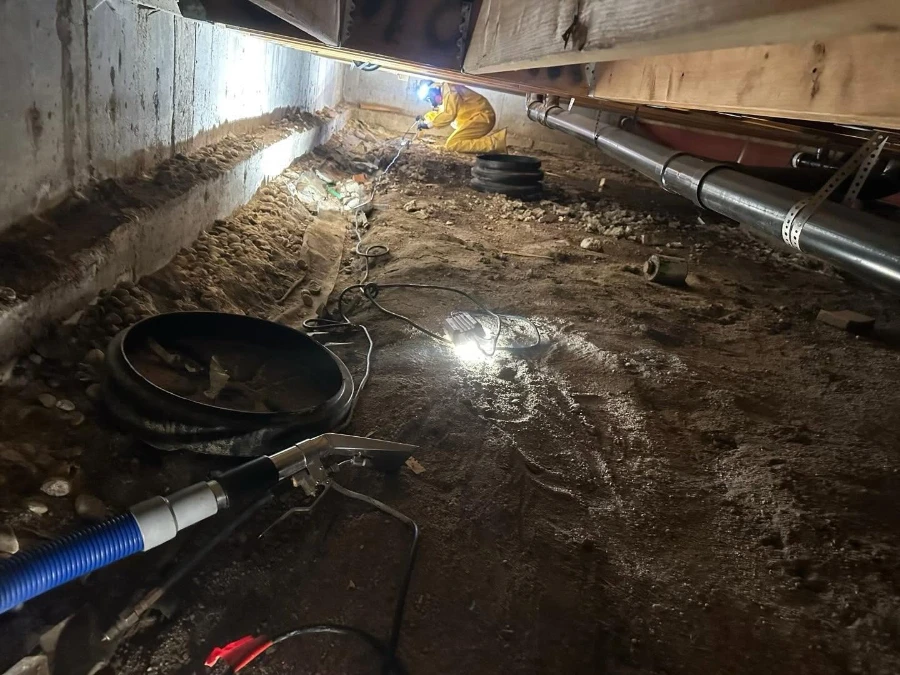
Responsibility isn’t always simple to sort out. If a tenant’s own habits, like not using an exhaust fan or drying laundry indoors in a poorly ventilated room, are a meaningful contributing factor, that can shift how the situation is viewed. Similarly, if the mold source is tied to a building-wide issue, such as a shared plumbing line, it may involve building management beyond just the unit’s individual landlord.
A quick note on documentation. Whatever the outcome, having a written record of when the issue was reported and what was said in response tends to matter more than anything else if the situation needs to be sorted out later.
If you’re a tenant trying to figure out what to do first, our guide on what to know before your apartment’s mold gets addressed covers the practical first steps in more detail.